
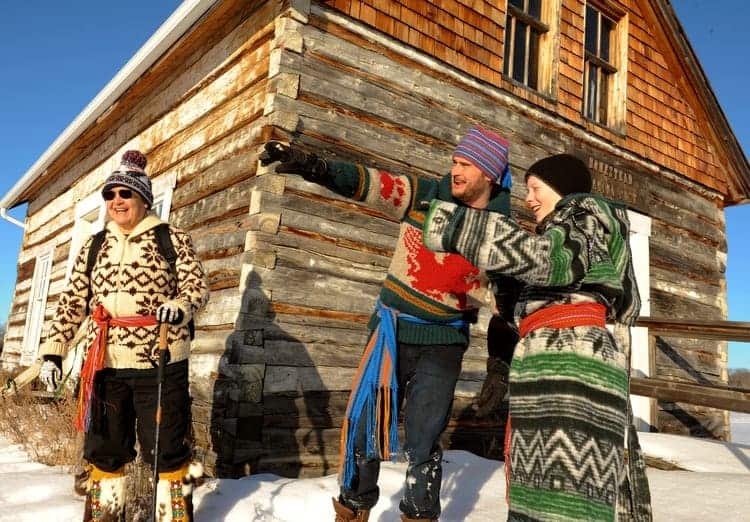
Make snares, survival shelters and traditional crafts at Metis Crossing
By Jeremy Derksen
For Lilyrose Meyers, trapping represents not just a livelihood but a way of life. With the decline of the industry in recent decades, she sees that way of life disappearing, and with it, the positive effects it can have for ecosystems.
“The land is important to us, it’s a live thing — it changes. The trees … the animals … you have to look after them,” she says. “That has always been very important to the Métis trapper.”

That is why Meyers is so passionate about the new “Tales from the Métis Trapline” program launching this winter 2020 at Métis Crossing, on the ancestral lands of the Victoria Métis Settlement just 1.5 hours from Edmonton.
Want to learn more about the Metis culture and the Metis crossing? Discover for yourself on ZenSeekers.com (https://www.zenseekers.com/story/come-walk-footsteps-trappers-life-new-metis-crossing-program)
If you want to better understand both Métis heritage and how trappers act as stewards of the land, you can register for the program here. Here’s a little bit of what to expect.
1. Get your capote on
After a warm welcome by the fire, the first step is to get fitted for your capote and sash. The capote, pronounced ka – poat, is a traditional winter jacket worn by the Métis.

2. Feel the fur, pack the essentials
A good trapper knows which animals to expect to find, and how to be prepared for them and anything else one might encounter out on the trails. You’ll see furs, learn about trapping history and how to pack like a trapper for several days on the trail.

3. Follow the trapline
One you’ve got the essentials, it’s time to strap on your snowshoes and hit the trail. Walking through the bush, you’ll stop to examine tracks and other animal markings, and learn how to set traps.

4. Build a shelter
“If you happen to be caught out overnight, you need to know how to build a good shelter,” says Lilyrose. Using basic tools and the materials at hand, you’ll learn some of the tricks to good shelter building.

5. Stitch it all together
The final experience, tying it all together, is to create a craft in traditional Métis fashion.

While there’s both a heritage and a learning component, a big part of the experience in Meyers’ view is reconnecting to the land.
“Come walk with me,” she says. “It’s a journey you won’t forget.”
When You Go
For more details, photos and video of the new Tales from the Métis Trapline experience at Métis Crossing, visit their Facebook page here for details.
Want to learn more about the Metis culture and the Metis crossing? Discover for yourself on ZenSeekers.com (https://www.zenseekers.com/story/come-walk-footsteps-trappers-life-new-metis-crossing-program)
Sign up for this authentic experience by clicking here.
Metis Crossing is a 1.5 hours’ drive from Edmonton, about 2.5 hours from Lloydminster and 3.5 hours from Fort McMurray.